 Notebook reviews

Review: BUKE Bamboo Paper Notebook
A hands-on BUKE Notebook review with fountain pens, fineliners, markers, highlighters and more. See how bamboo paper really performs.

📅 9 July 2026
⏱️ 7 minutes to read
Every now and then, a notebook lands on my desk because of its paper rather than its cover. That was exactly the case with BUKE, Chinese notebok that you can find on Aliexpress and Amazon.
BUKE Notebooks
Unlike most notebooks you’ll find on the market, this one uses bamboo paper instead of traditional wood pulp. It’s an unusual choice that immediately caught my attention—and, as someone who has tested more notebooks than I’d like to admit, that’s becoming increasingly difficult.
Before we get to the paper itself, though, there’s something we should address first: the elephant in the room.
BUKE doesn’t exactly hide where its inspiration comes from.
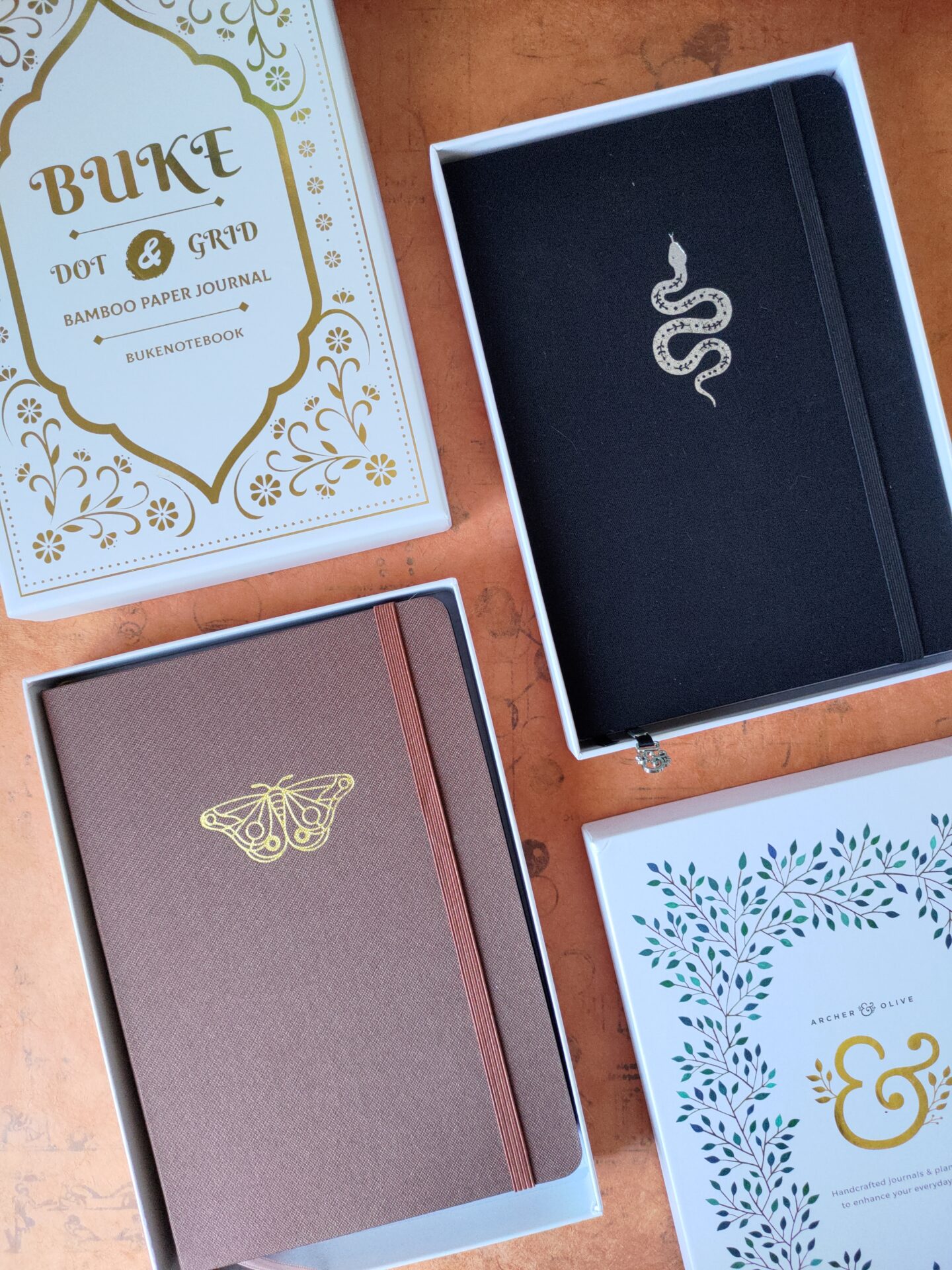
If you’ve ever seen an Archer & Olive notebook, some of the details will probably feel familiar. The decorative belly band, silver-painted page edges on certain models, even some cover designs… they’re close enough that I don’t believe it’s a coincidence.
The same goes for Dingbats. Several BUKE notebooks feature almost identical wildlife-inspired covers embossed into textured faux leather. At a quick glance, it would be surprisingly easy to mistake one for the other.
Whether you’re comfortable with that is entirely up to you.
Personally, I think it’s worth acknowledging before talking about the notebook itself.
Because once you set that discussion aside…
…BUKE turns out to be a surprisingly competent notebook.
First impressions
This notebook had actually been sitting on my shelf for almost a year before I finally reviewed it.
Oops.
Apparently I need to stop buying notebooks faster than I can test them.
Mine arrived from Amazon US in a sturdy presentation box with gold foil details and a handful of accessories inside. Alongside the notebook itself, BUKE included several sticker sheets, a self-adhesive pen loop and a plastic bookmark.
None of those extras are essential, but they were a pleasant surprise.
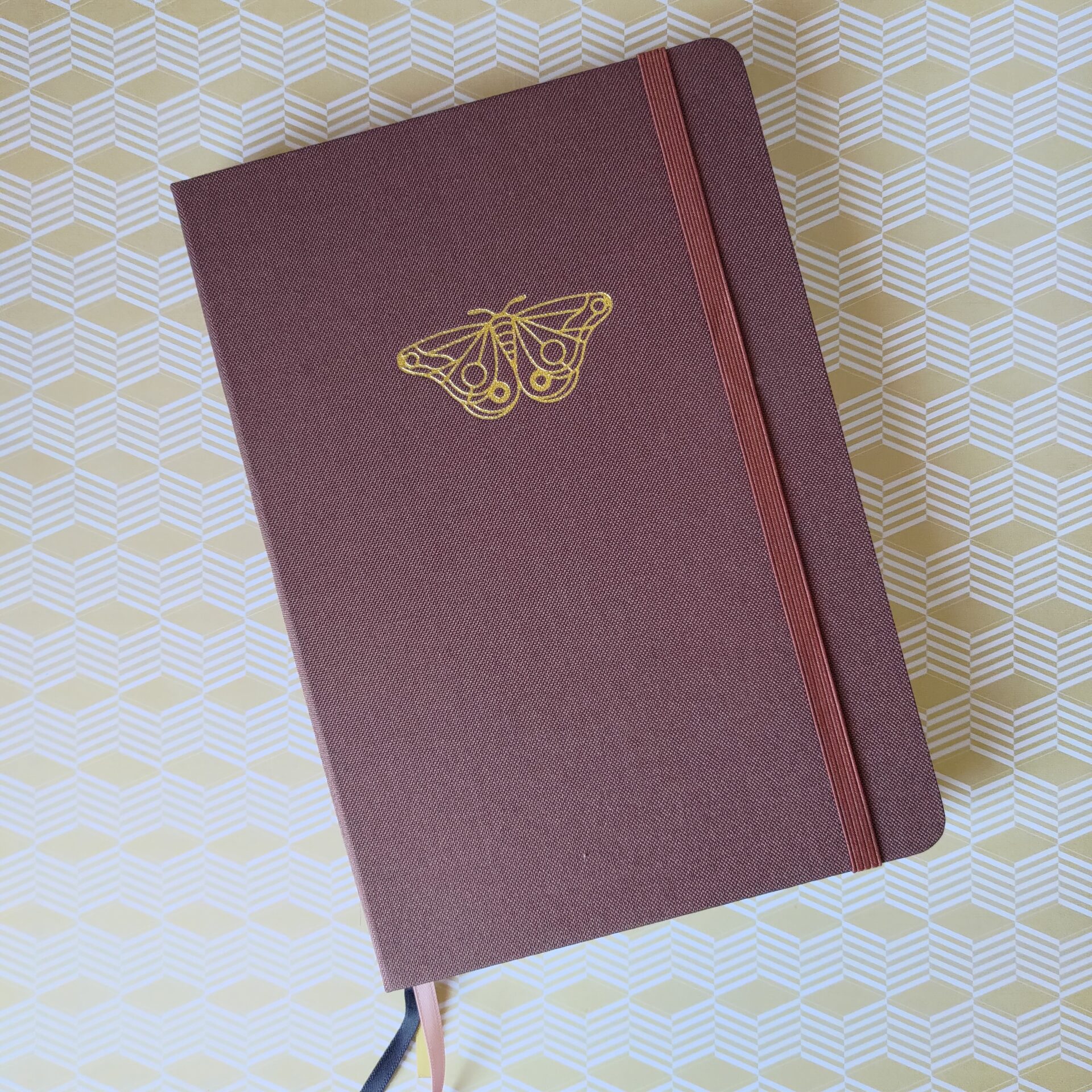
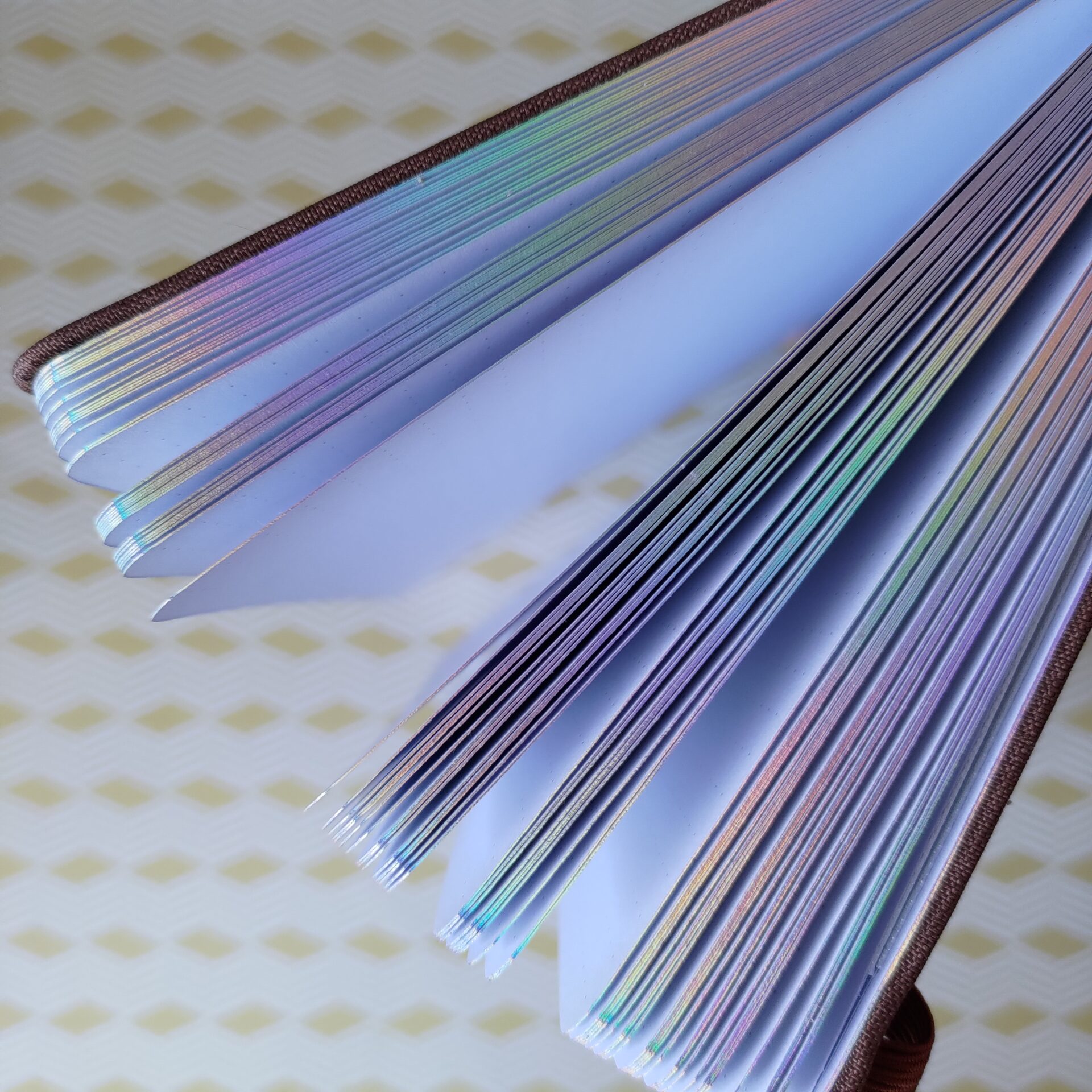
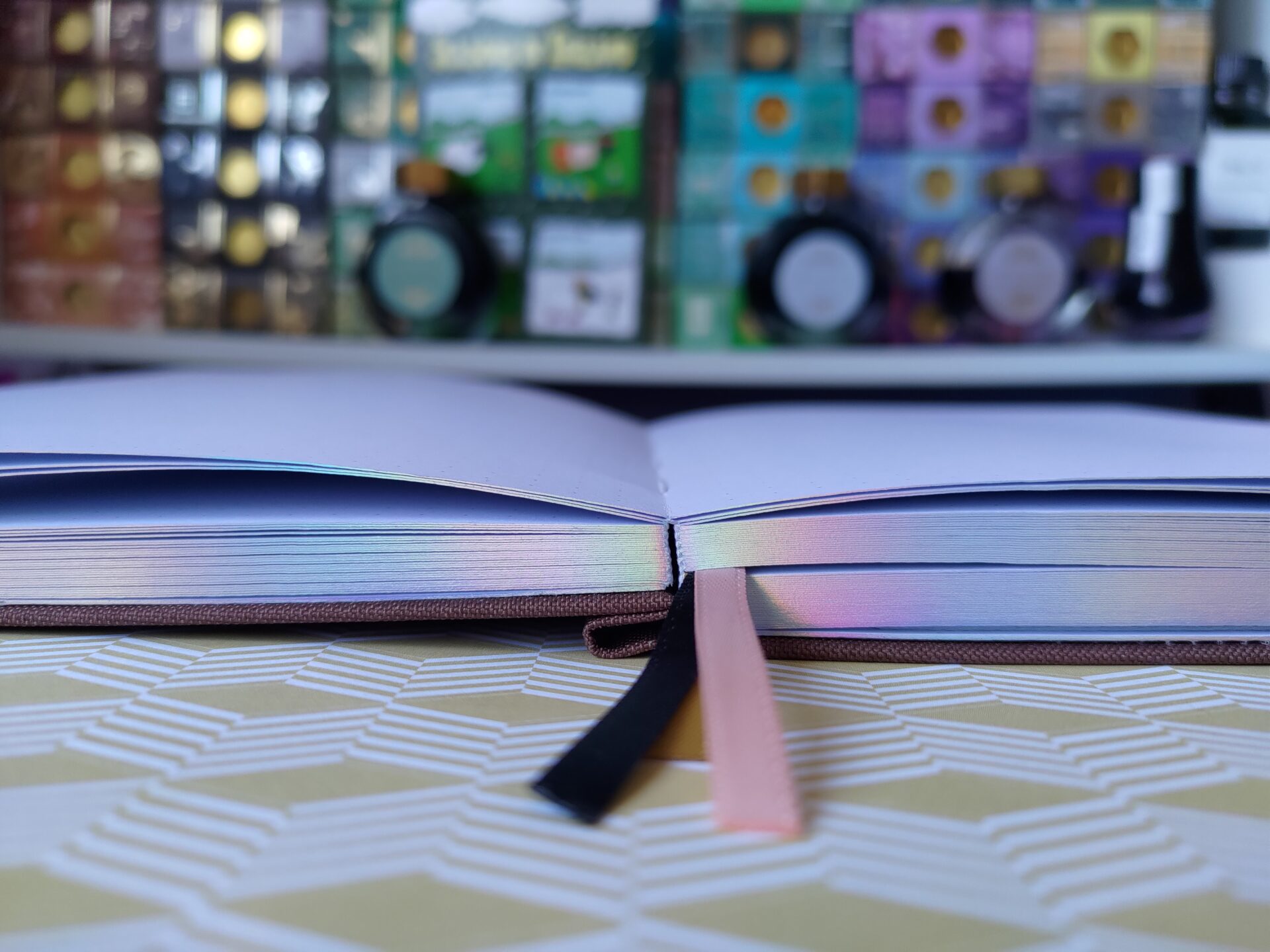
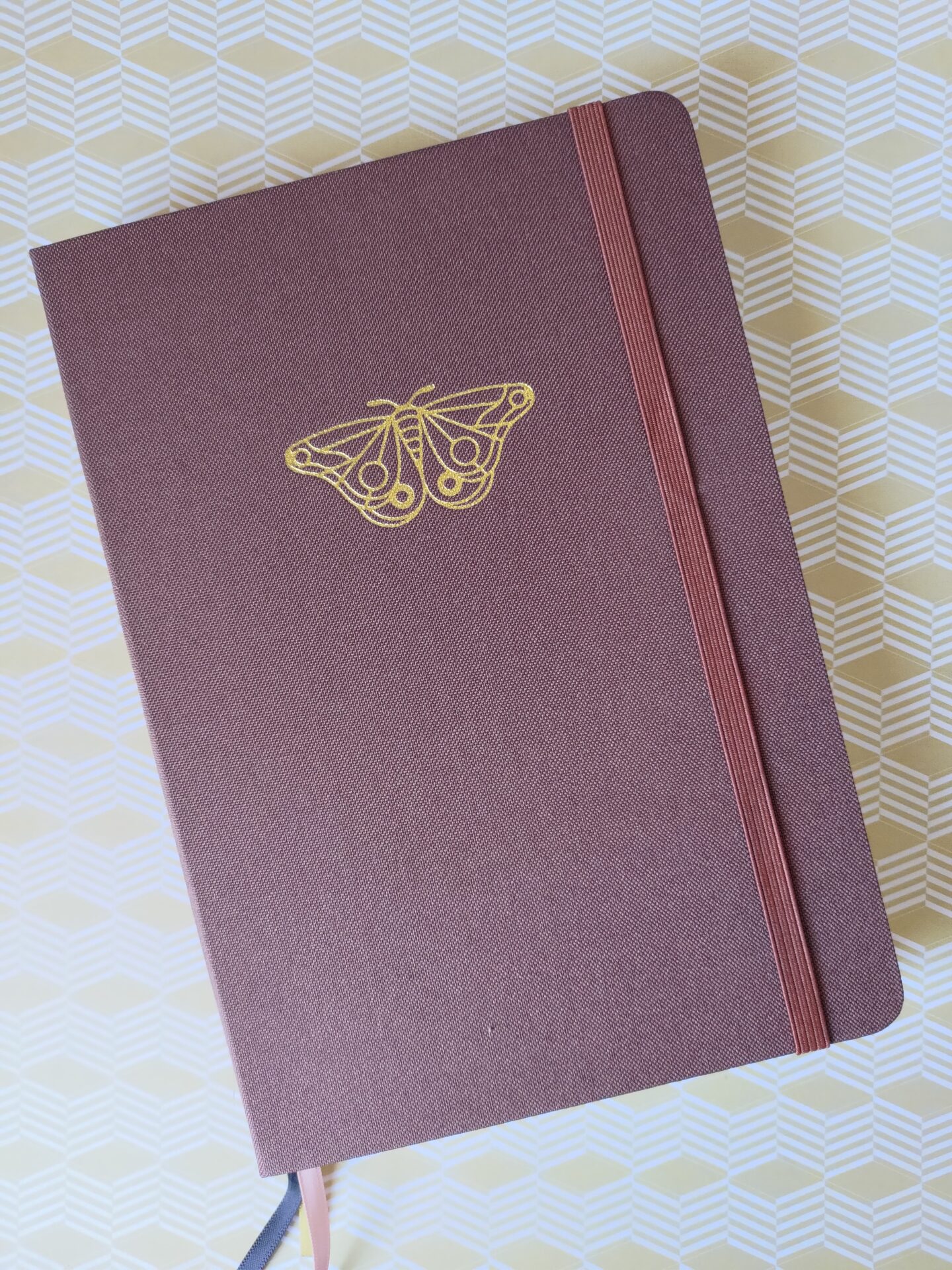
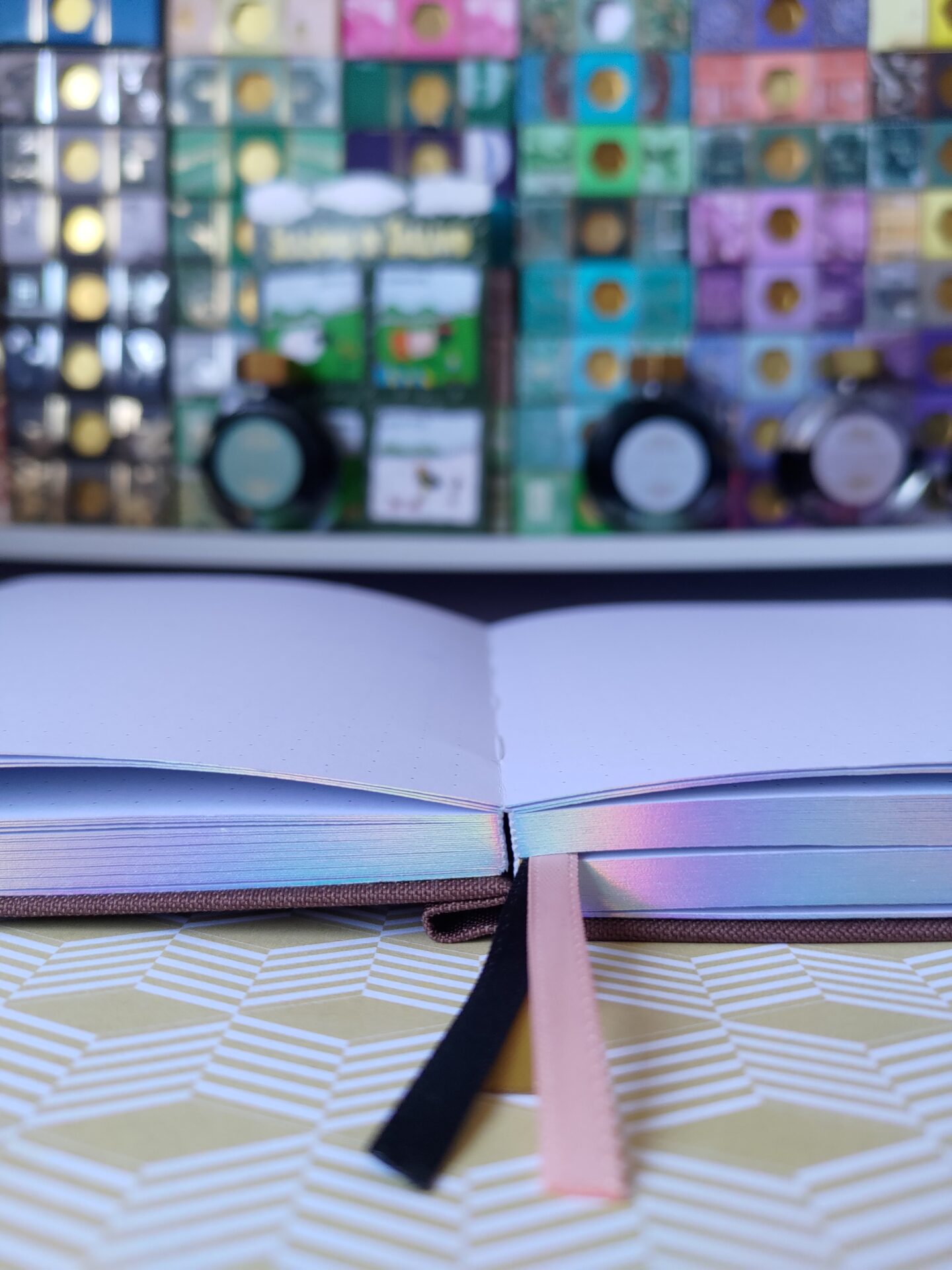
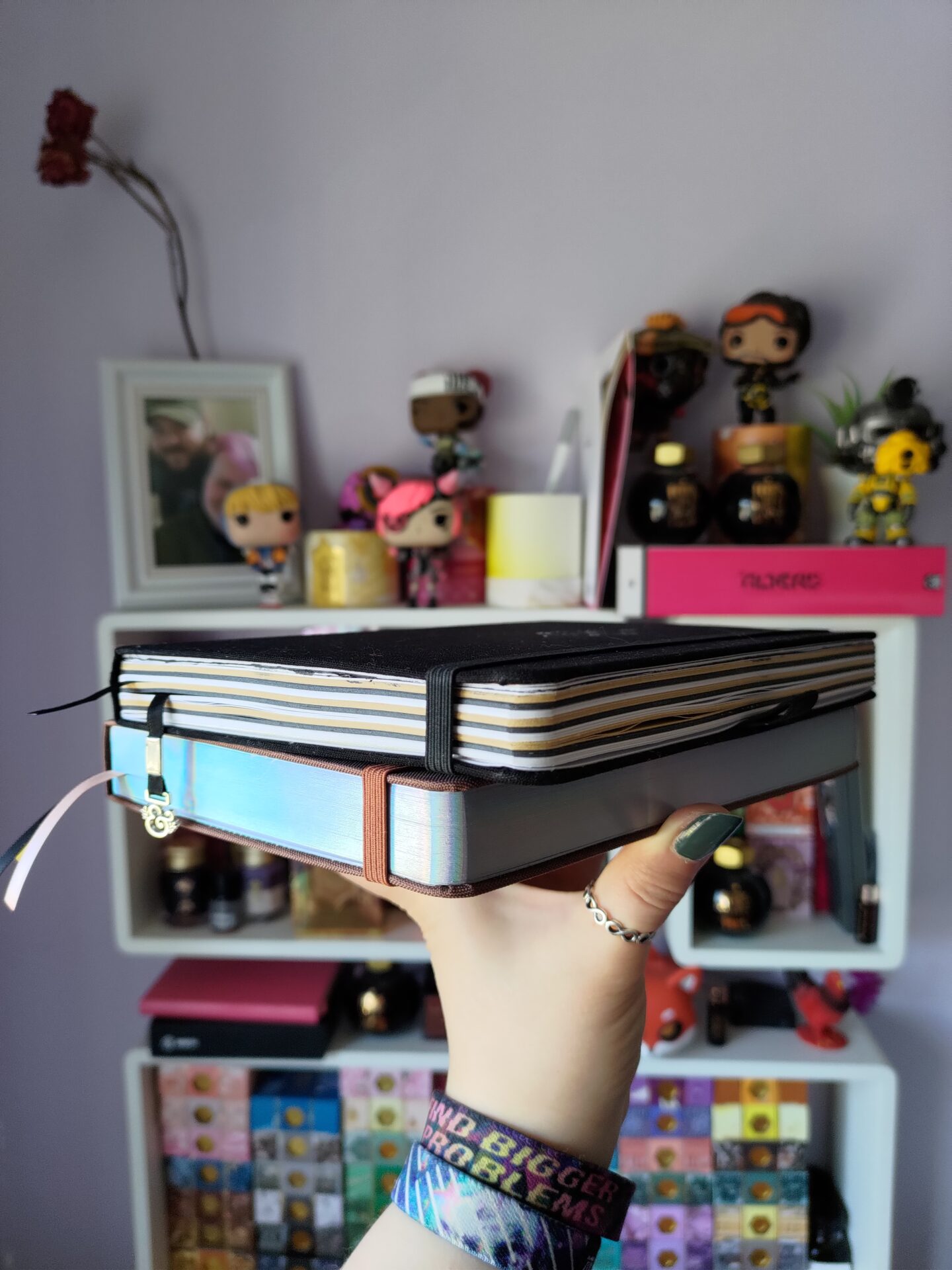
The notebook itself is fairly substantial, weighing just over 500 grams, yet it never feels bulky. The fabric cover softens its appearance, while the shimmering page edges add just enough personality without becoming flashy.
I do have one small concern about the cover material, though.
It’s made from a textured woven fabric that feels nice in hand, but lighter colours would probably pick up dirt fairly easily. That’s often the trade-off with fabric covers—they tend to look beautiful when they’re new, but practicality isn’t always their strongest feature.
Bamboo paper
Now for the reason I wanted to review this notebook in the first place.
Bamboo paper.
BUKE proudly promotes it throughout the packaging, although the company doesn’t actually explain very much beyond a few marketing claims. According to their website, bamboo paper is smoother, thicker, more durable and designed to reduce feathering and bleed-through.
That’s… pretty much all they tell you.
So instead of repeating marketing copy, let’s focus on what actually matters.
How does it perform?
The paper is bright white, smooth without feeling slippery, and printed with a standard 5 × 5 mm dot grid. The dots themselves are very small, but dark enough to be useful, although the printing isn’t perfectly consistent between the sheets. Like many notebooks in this price range, you’ll occasionally notice slight variations in spacing between the pages.
Thankfully, it’s only a cosmetic issue.
I never encountered missing rows or columns, and after a few pages I stopped noticing it altogether.
My notebook contains 160 pages of 180 gsm bamboo paper, although BUKE also offers lighter 160 gsm and 150 gsm versions, as well as ivory and black paper options.
Does bamboo paper actually make a difference?
Yes.
But probably not in the way most people expect.
Bamboo itself isn’t some magical paper fibre that automatically creates a better notebook.
Like traditional paper, the final writing experience depends on the pulp preparation, surface finishing, coatings and overall manufacturing quality.
Two bamboo notebooks can behave completely differently.
That said, bamboo has been used for paper production in Asia for centuries. It’s one of the fastest-growing plants in the world and has become an increasingly popular renewable material for paper products.
So while the material itself isn’t new, it’s still relatively uncommon in notebooks aimed at fountain pen users.
And honestly?
This paper performs really well.
Paper test
This is where BUKE genuinely surprised me.
For every notebook review on PaperLovers, I use the same writing test. Instead of focusing exclusively on fountain pens, I try to recreate what a real stationery collection looks like.
For this review I tested:
- FWP Lantern Crossing – TWSBI Eco <M>
- Wearingeul 1984 George Orwell – Lamy LX <M>
- FWP Mulberry Majesty – FWP The Brush <M>
- FWP Rose at Dawn – TWSBI Eco <M>
- Stabilo Point 88 0.4 mm
- Brushpen
- Marker 2-in-1
- Fineliner 2-in-1
- FWP Writing Desk – Narwhal Original Plus <stub>
- Sharpie Permanent Marker
- Pilot G-2 0.7 mm
- Stabilo Boss highlighter
- Soft Color dot
- Dot e pen
- Creator’s Friend highlighter
- Zig Color Dot
- Sharpie Acrylic Marker
The results were excellent.
Out of all seventeen writing instruments, only the Sharpie permanent marker showed noticeable ghosting, not even bleeding. Everything else—including fountain pens, paint markers and highlighters—stayed exactly where it belonged.
To be fair, 180 gsm paper should perform well.
But after years of reviewing notebooks, I’ve learned that paper weight alone doesn’t guarantee good results. I’ve tested plenty of thick papers that still feathered unexpectedly or allowed ink to spread more than they should.
BUKE wasn’t one of them.
Whether I was writing with a broad fountain pen nib or layering different markers, the paper remained remarkably well-behaved.
If your stationery collection extends beyond a single fountain pen, that’s reassuring.
Specifications
Price: around 19 USD (prices may vary depending on the retailer)
Size: A5
Paper: Bamboo paper, 180 gsm
Pages: 160
Layout: Dot grid (5 × 5 mm)
Cover: Fabric-covered hardcover
Closure: Matching elastic band
Bookmarks: Three ribbon bookmarks
Back pocket: Yes
Numbered pages: No
Who is it for?
This isn’t the notebook I’d throw into my backpack every morning.
At just over half a kilogram, it’s simply too heavy to become my everyday carry notebook.
Instead, I see it living on a desk.
It’s an excellent choice for art journaling, scrapbooking, junk journaling, creative planning or anyone who likes switching between fountain pens, markers and other stationery without constantly worrying about bleed-through.
The three ribbon bookmarks also make it surprisingly practical for keeping multiple ongoing projects organised.
If you’re looking for a lightweight notebook for lectures or commuting, I’d probably recommend something else.
But if your notebook rarely leaves your desk, BUKE starts making a lot more sense.
Impressions
I have mixed feelings about BUKE—but not because of the notebook itself.
The notebook itself is surprisingly good. The paper performs beautifully, the construction feels solid, it opens flat, and it’s one of the more fountain pen-friendly notebooks I’ve tested in this price range.
My hesitation comes from somewhere else. It’s difficult to ignore just how heavily BUKE borrows from brands like Archer & Olive and Dingbats. The similarities go well beyond general inspiration, and I think that’s something every potential buyer should be aware of before making a decision.
At the same time, it’s equally difficult to ignore how much notebook you’re getting for the price. BUKE costs significantly less than the “inspirations” while delivering a writing experience that, in my opinion, easily holds its own.
So, would I recommend it?
Yes—provided you know exactly what you’re buying.
If you’re looking for an affordable notebook with excellent paper and don’t mind the obvious design similarities, BUKE is absolutely worth considering. If originality and supporting independent design matter more to you than price, you may reach a different conclusion.
Neither answer is wrong. Personally, I simply think it’s important to see both sides before making a decision—and that’s exactly what a good notebook review should help you do.
Where can you get it?
BUKE notebooks are available on Amazon and Aliexpress, as well as on their official website. But don’t worry, they have free shipping.
PaperLovers isn’t affiliated with BUKE. These are simply stores where the notebook is currently available.
Angie
Buys notebooks "for science", writes too much and loves telling you everything about stationery.
